I have been working up a field kit for the (tr)uSDX for a while, and one remaining part of the effort is preparing a couple of small wire antennas tailored to provide low SWR to protect the rather delicate output transistors.
Today I am making one of my favorites; the BNC-to-binding-post-adapter dipole.
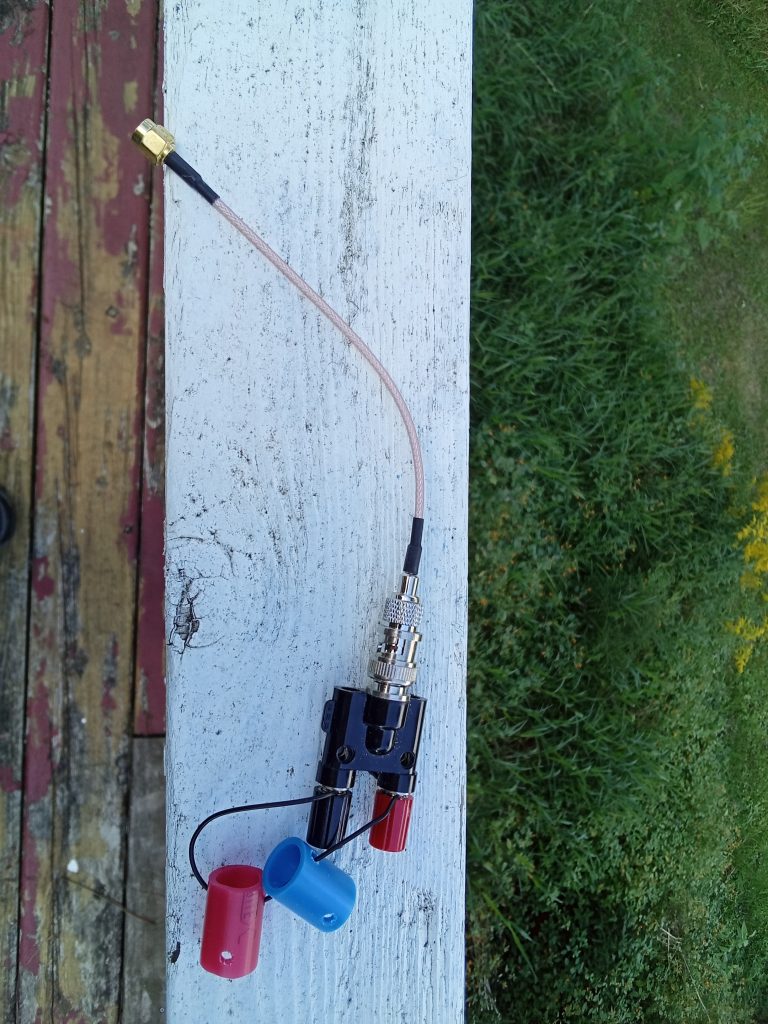
I set up this little kit of parts a month or two ago, thinking that I would have a chance to make the antenna in the field, but the opportunity never arose. Today I decided to just do it out on the deck!
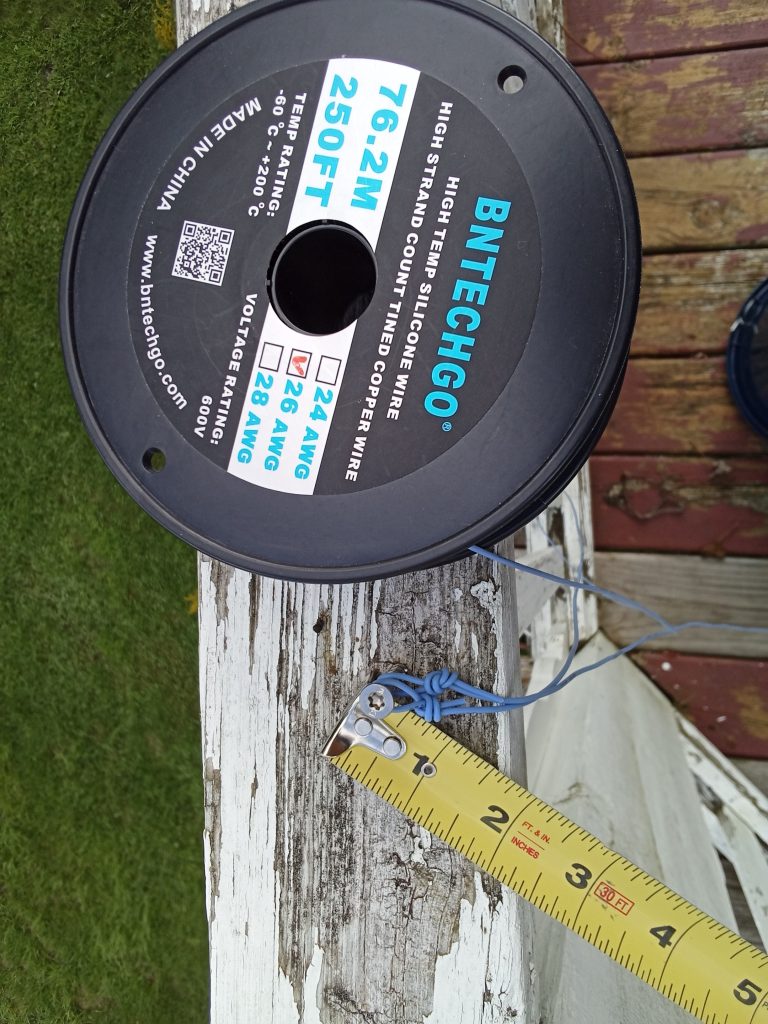
In the picture above I have already cut one leg and prepare to cut another. I tie a little double loop in the end of the wire to go over the screw head so I can pull it straight and taut for an accurate measurement. This also provides a few extra inches of wire for trimming in the field as needed.
I like the 26 gauge silicone wire for QRP antennas; the fine stranding gives it great flexibility, and the slick surface lets it slide easily over branches.
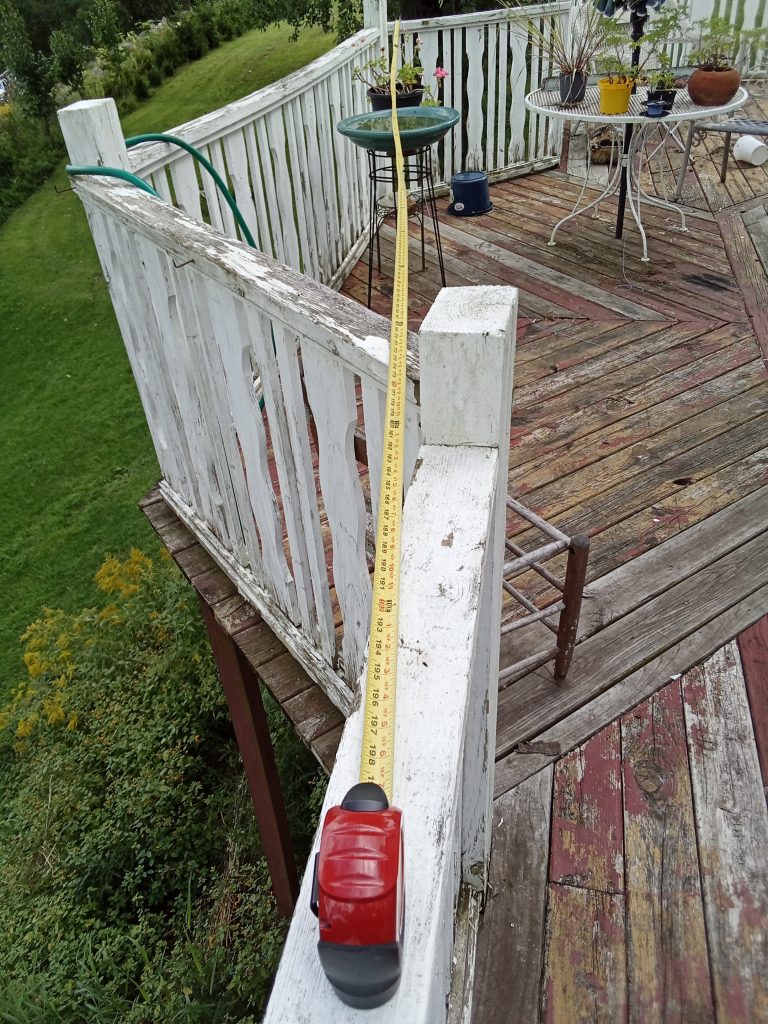
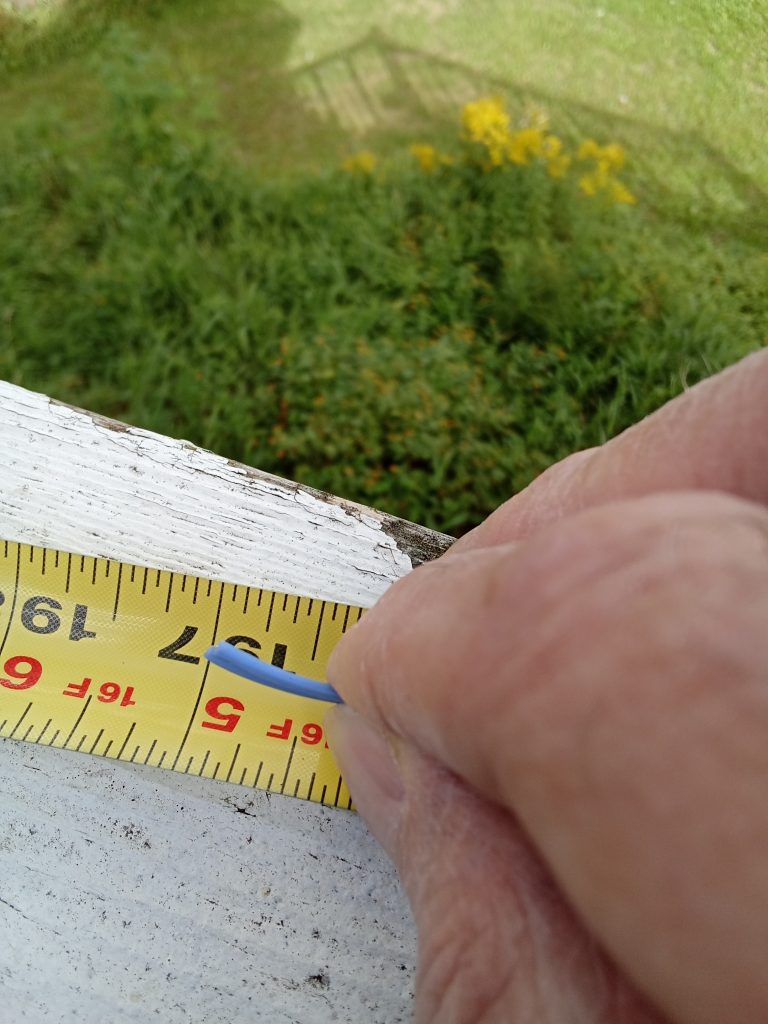
When both wires are cut, I stretch them out together to check the length, and assure that they are the same length. To find the length I used West Mountain Radio’s dipole calculator found here: Calculators . Theoretically, and under ideal conditions, this will give a center frequency of around 14.200 MHz, in the middle of the 20 meter band where I do most of my operating.
(“trimming in the field” attempts to reconcile the difference between the theoretical and the actual operating conditions).
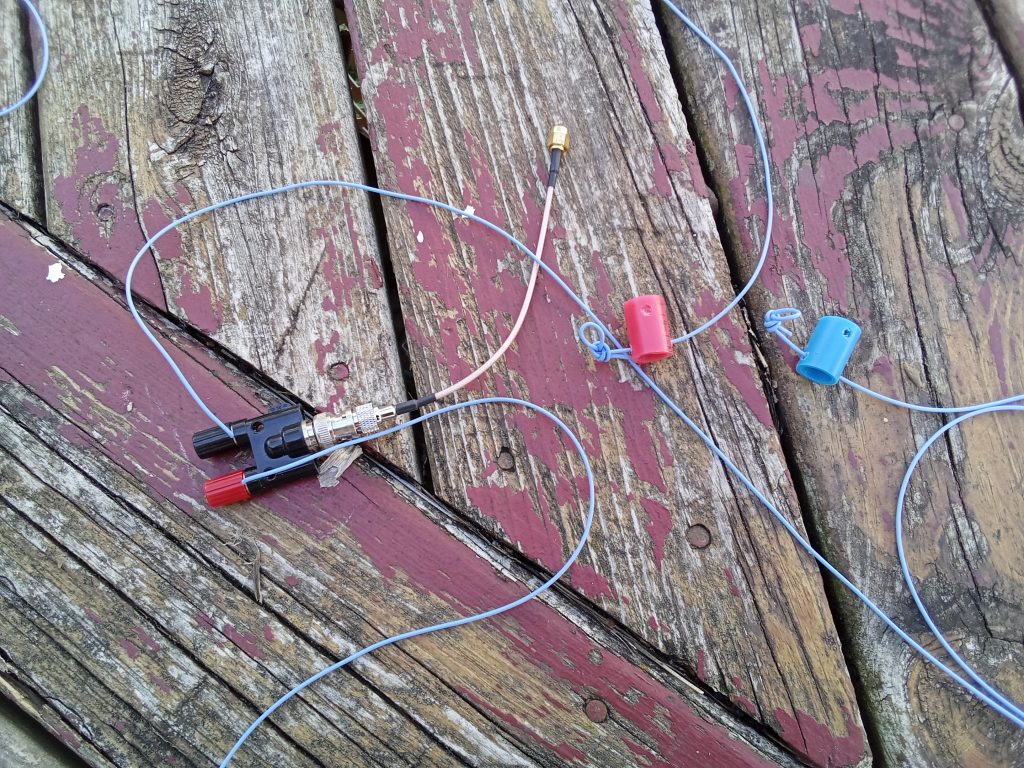
Measurements checked and confirmed, I thread the end insulators onto the wire. Next, I strip off about 7/16″ of insulation, just enough to go fully through the binding posts, and screw them down “very finger tight” for good contact.
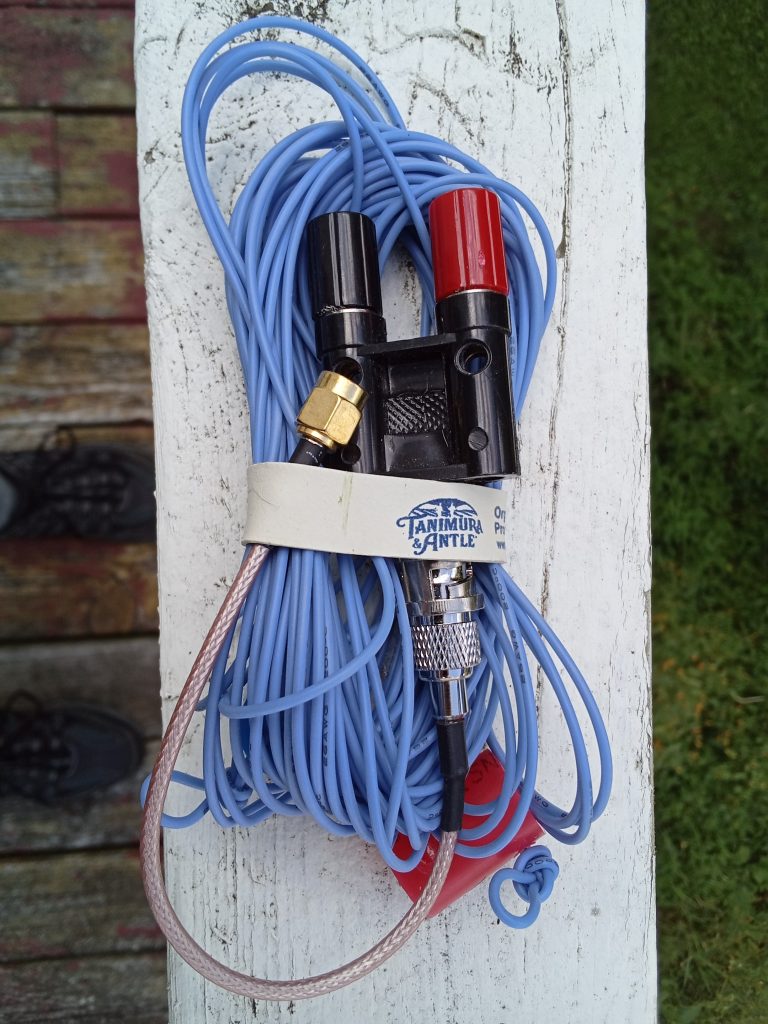
Next time I get out in the field I will operate the (tr)uSDX on 5 volts (another way to protect the output transistors) while adjusting the length of the legs for minimum SWR. I might update this post or make a new one when that happens.
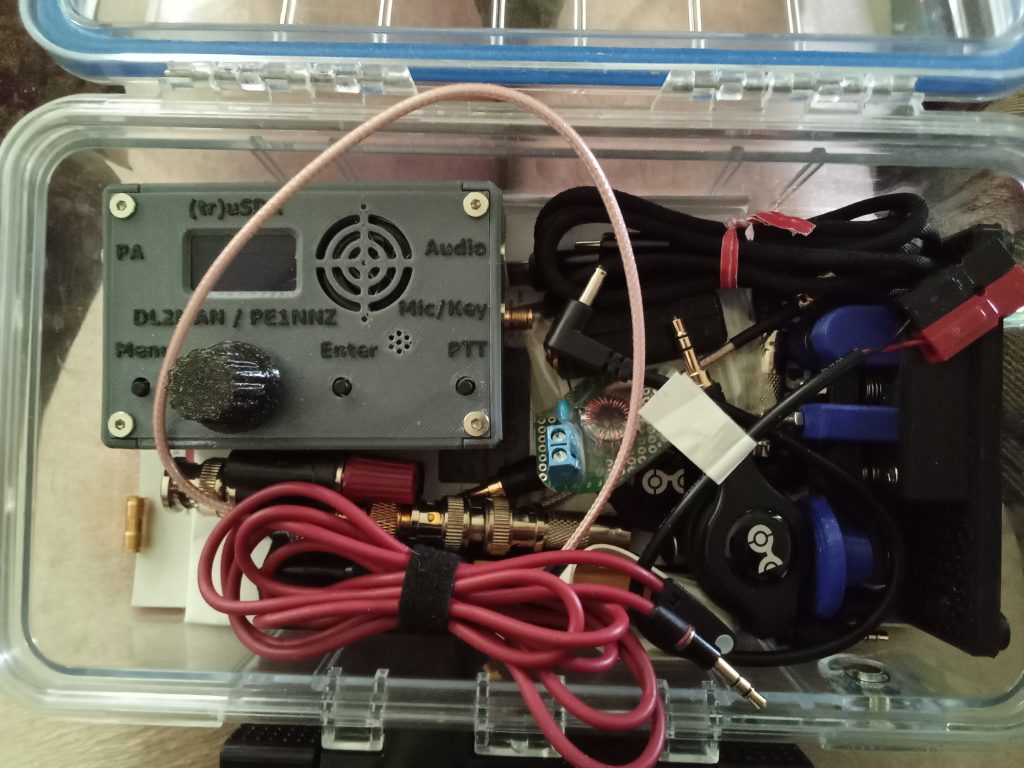
Thanks for visiting driftlessqrp!